Radioactive Material
Logistics.
Secure Handling. Regulatory Precision.
Operational Control.
Specialized packaging, controlled storage, and multimodal transport of Class 7 radioactive materials across Mexico and North America. Every operation executed under IAEA, IATA DGR, CNSNS, and SCT compliance frameworks.
20+
Years Operational
Dangerous goods logistics since 2006
CNSNS
Authorized
Mexico's nuclear safety commission
IATA DGR
Class 7 Requirements
Radioactive material regulations
Type A
& Industrial Packaging
UN-certified solutions, all activity levels
Air
& Ground Operations
Domestic & international transport
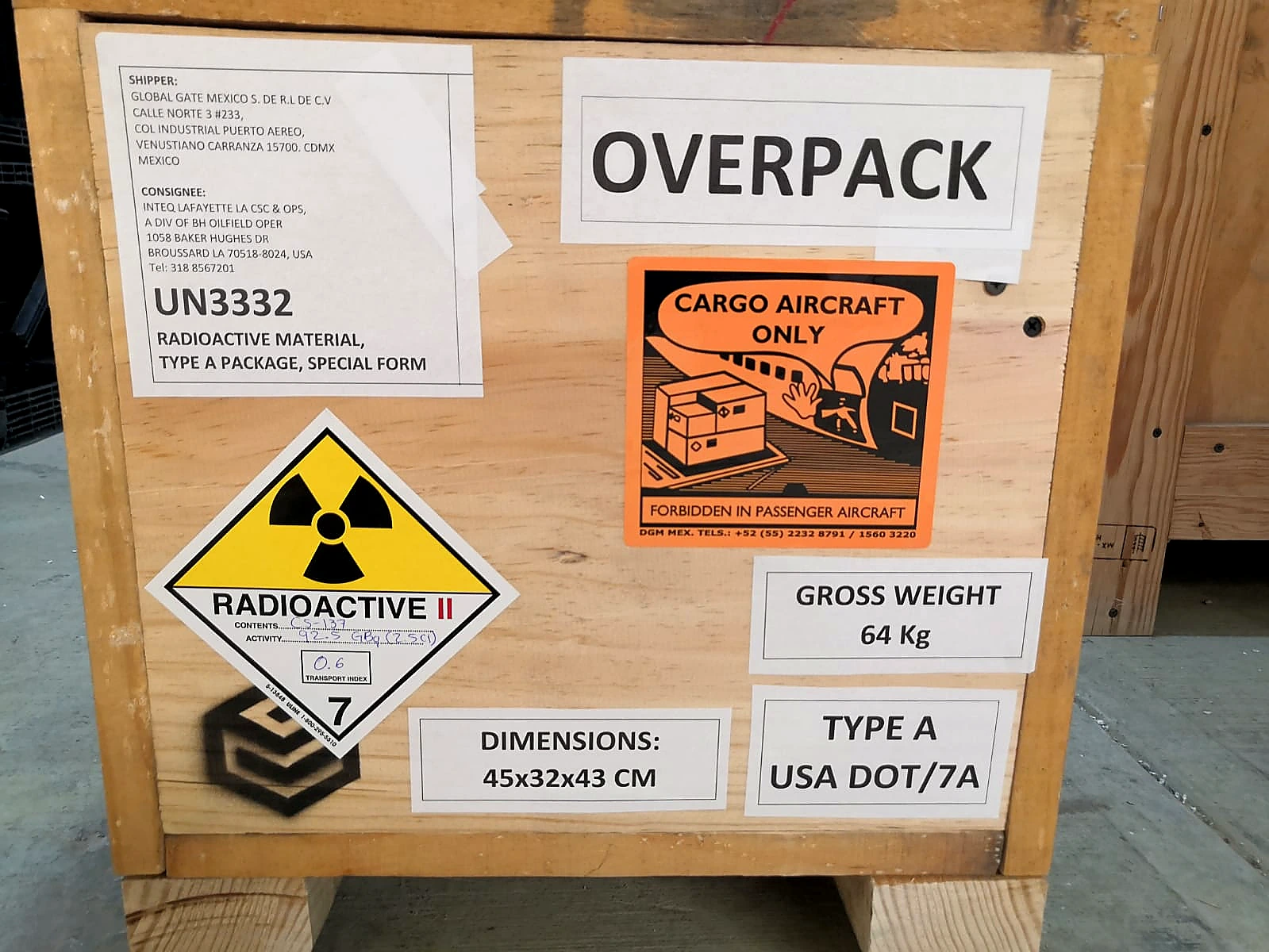
Regulatory Marking & Labeling
IAEA Category III-YELLOW · UN number · Proper Shipping Name
Compliant Radioactive
Packaging Solutions
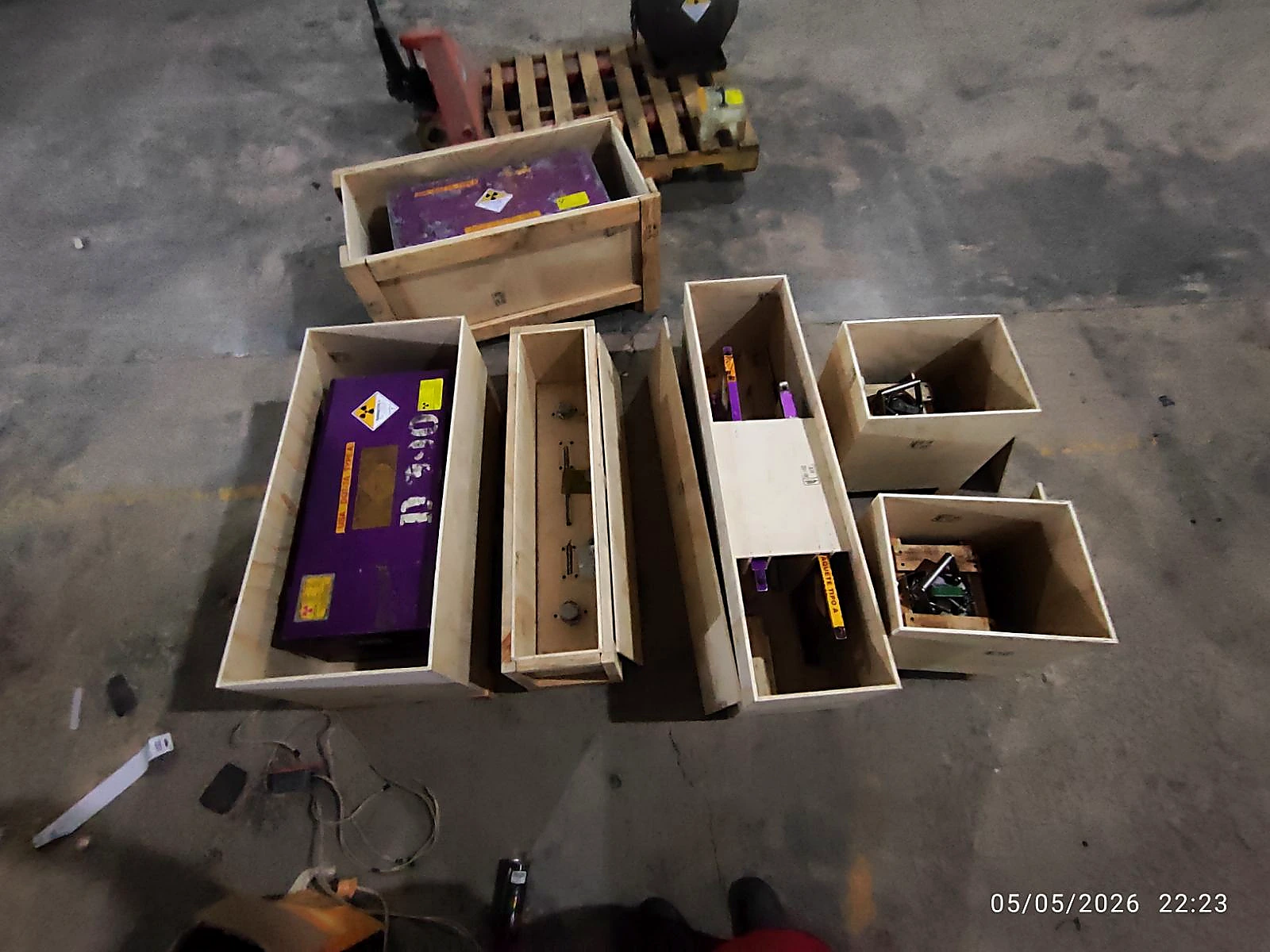
Correct packaging is the first and most critical layer of control in radioactive material transport. We source, prepare, verify, and certify UN-certified packages in strict accordance with IAEA SSR-6 and applicable modal regulations.
Our team holds active IATA certification for Class 7 packing instructions and applies CNSNS-compliant marking, labeling, and documentation to every package before it enters the transport chain.
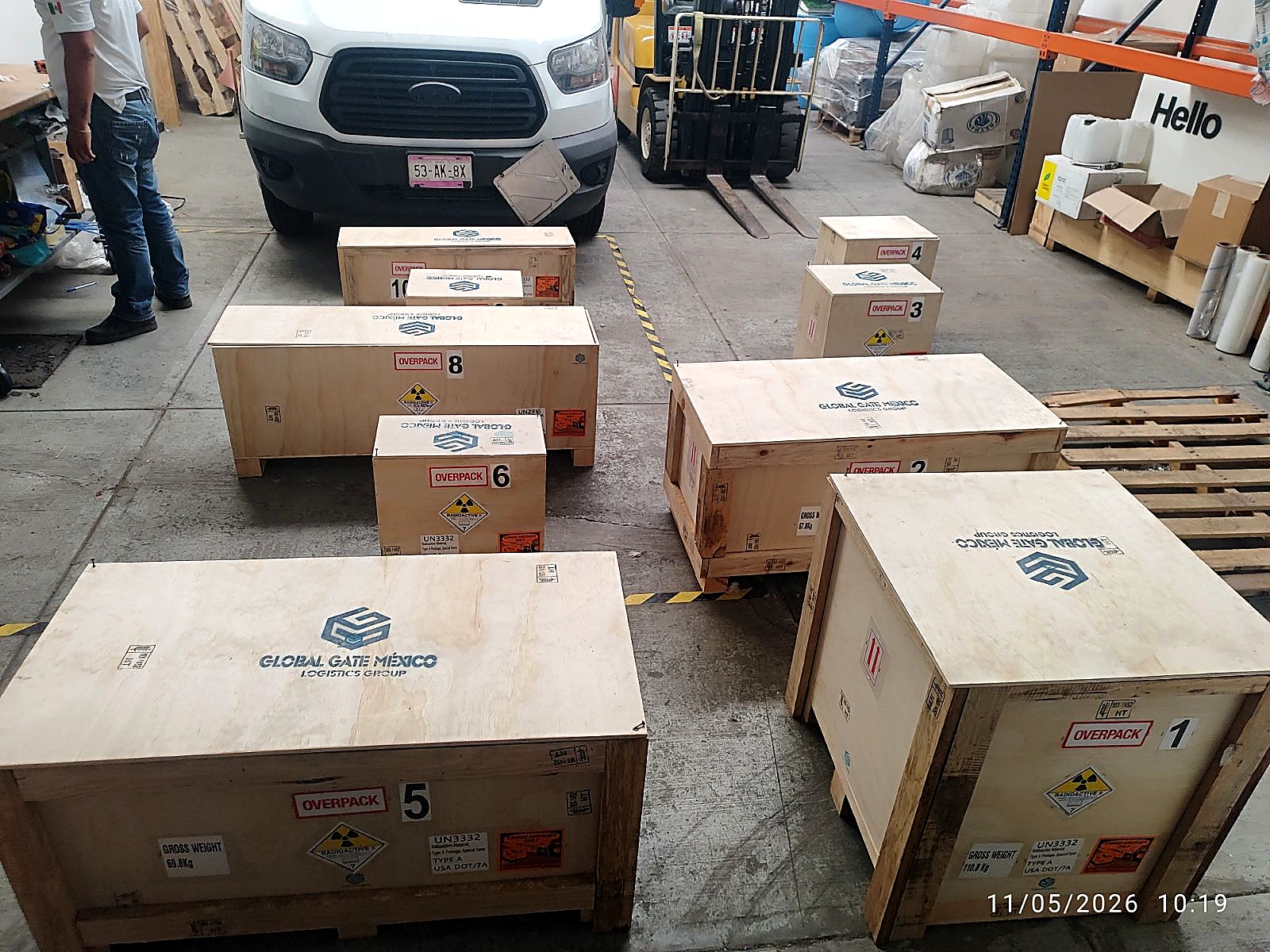
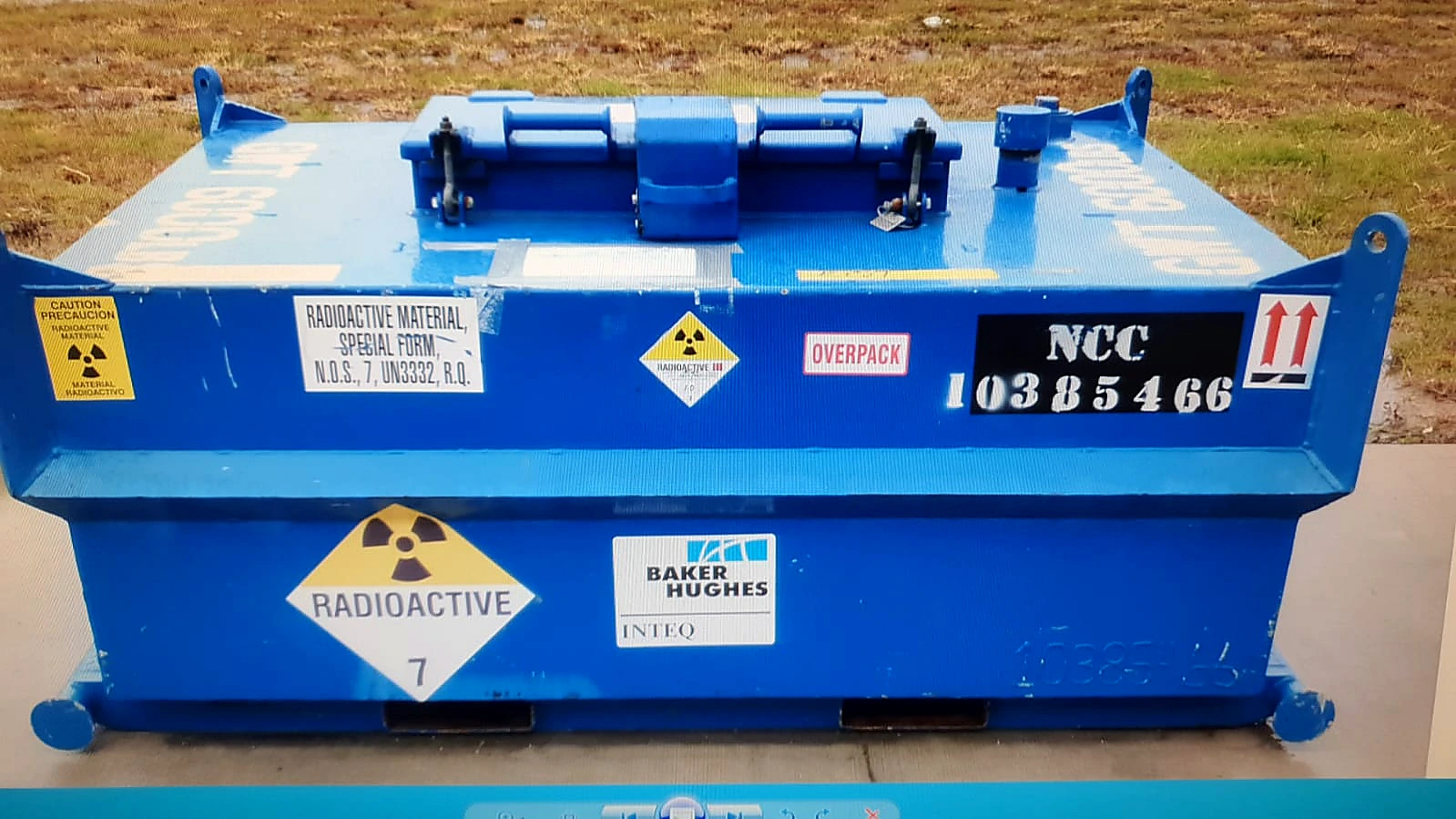
Overpack Operations
Pre-transport staging — IATA DGR compliant
Controlled Storage
& Temporary Holding
Secure, monitored interim storage during transit operations, documentation processing, or shipment staging — fully compliant with CNSNS requirements and radiation safety protocols.
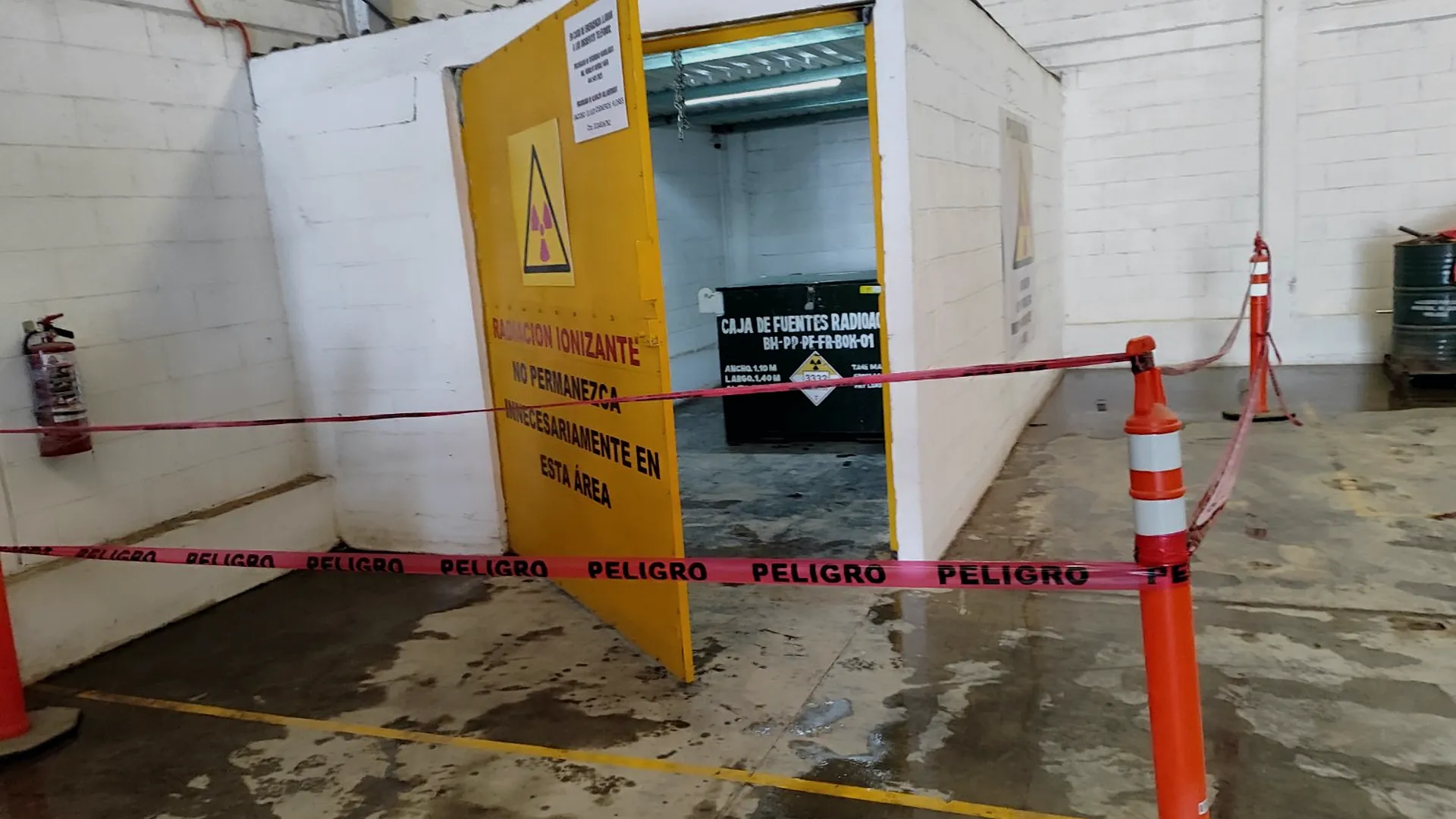
Controlled Access Area
Authorized personnel only · Dosimetry required at entry
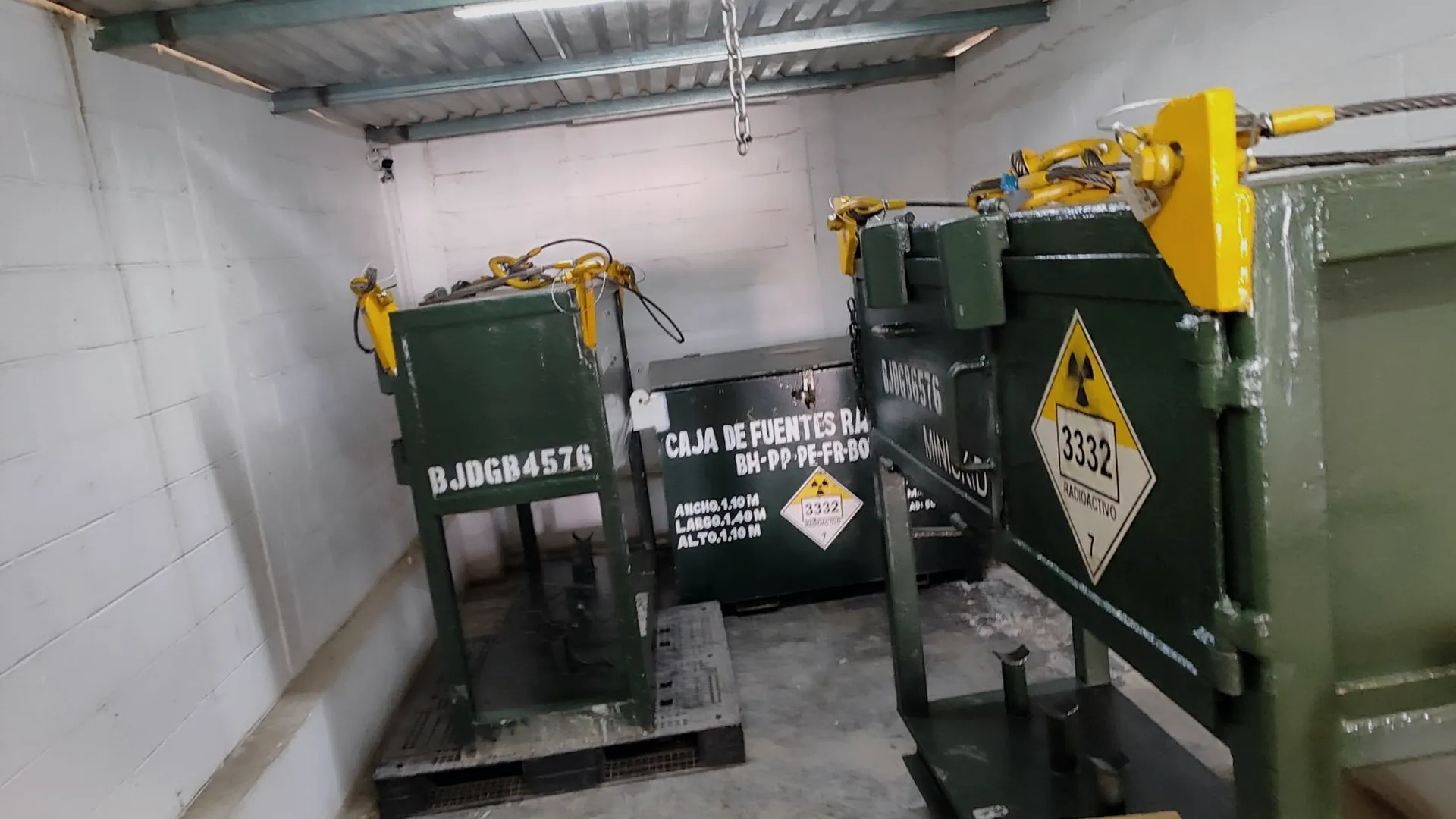
Operational Storage
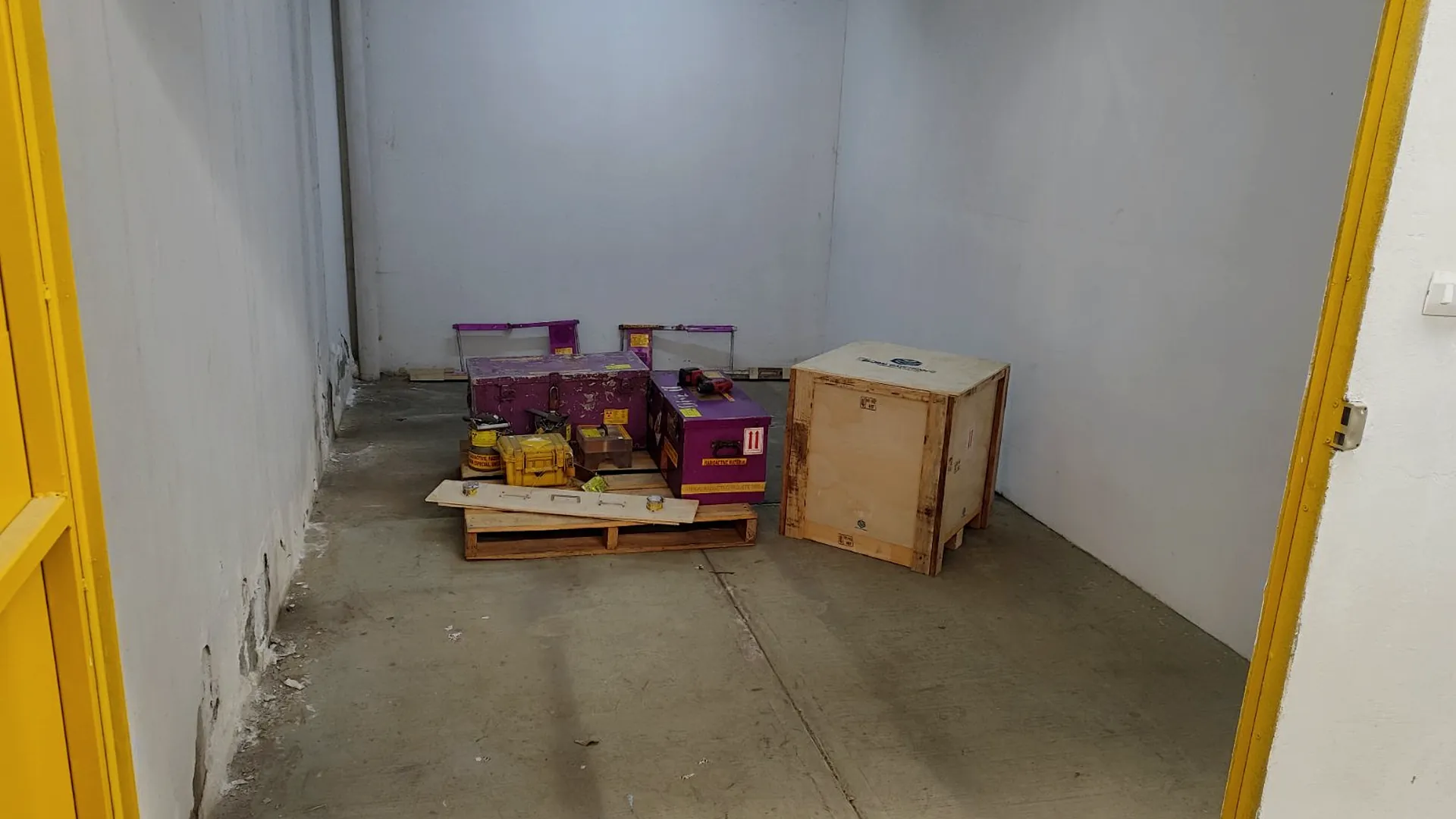
Pre-Transport Staging
Controlled Access
Restricted entry zones with personnel authorization and dosimetry requirements for all entrants. No unauthorized access at any stage of handling.
Continuous Monitoring
Ambient radiation levels surveyed during all storage, loading, and unloading operations using calibrated field instruments.
Chain of Custody
Package-level inventory control with documented handoffs at every operational stage. Full traceability from receipt to departure.
Emergency Protocols
Established spill containment, regulatory notification, and decontamination procedures maintained on-site and rehearsed regularly.
Transport Operations
Radioactive cargo transport across Mexico and international corridors — from CNSNS prior authorization through final delivery confirmation.
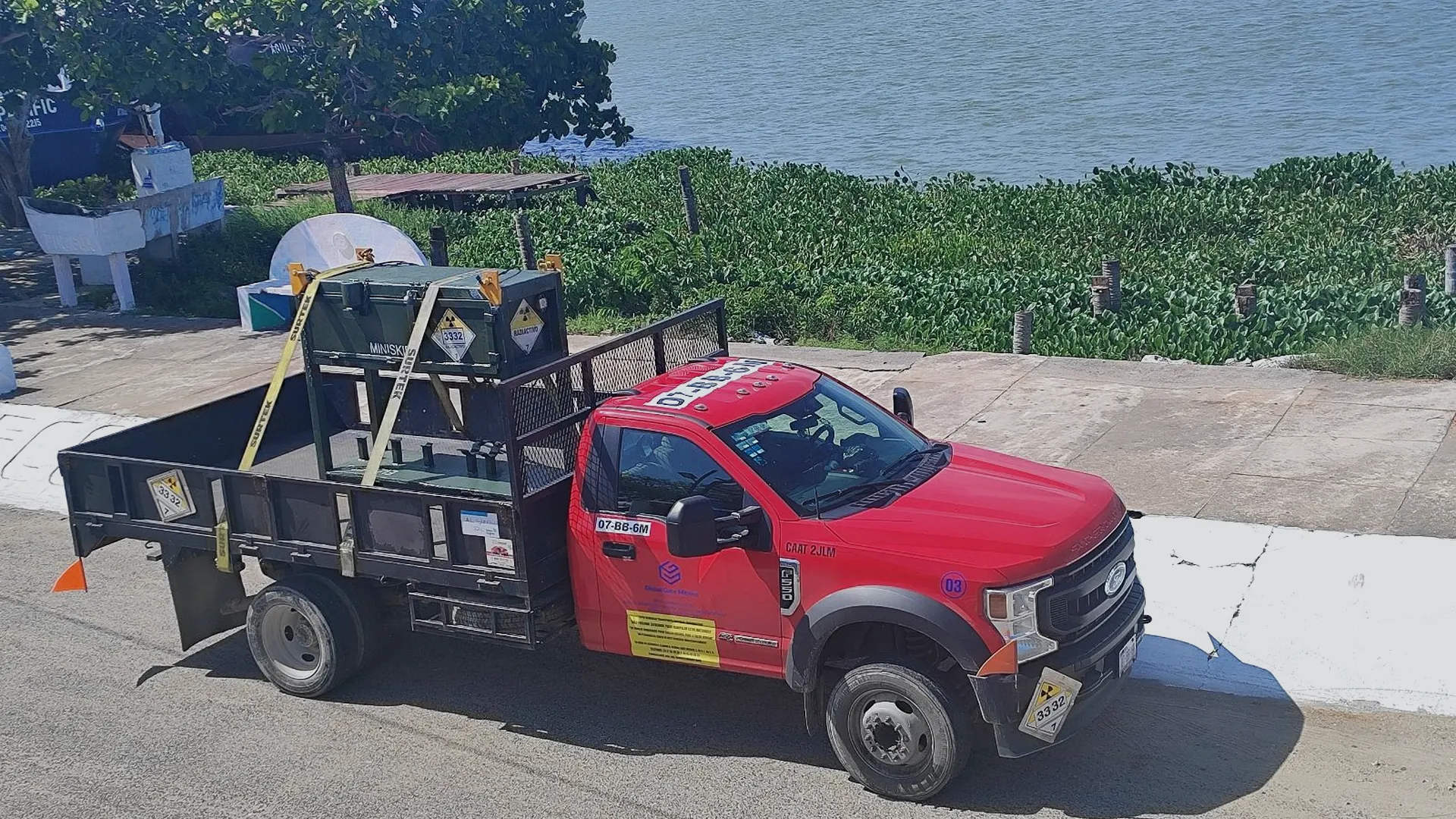
Specialized Ground Transport
Radiation-monitored vehicles with prior CNSNS authorization and continuous GPS tracking
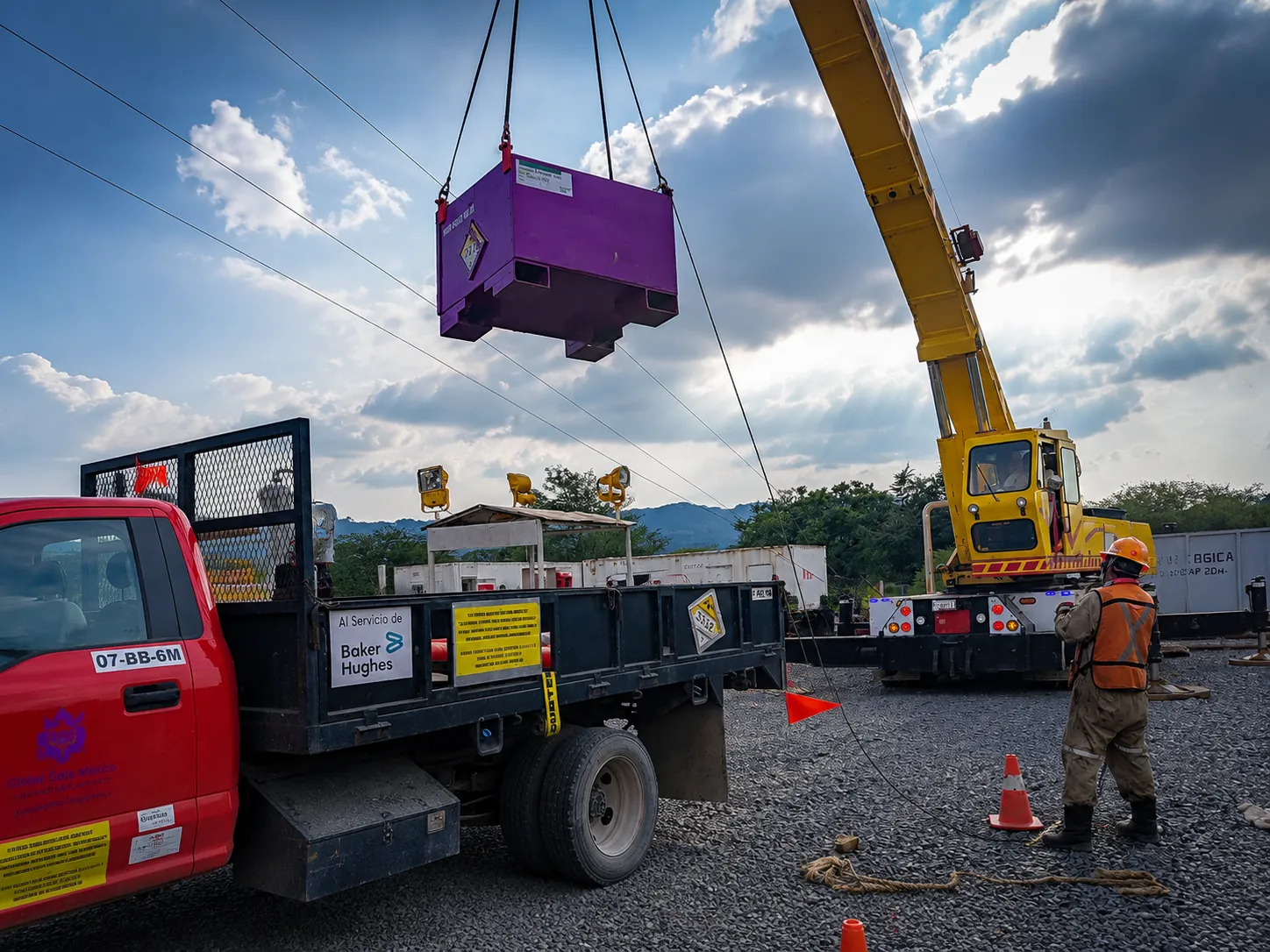
Crane & Heavy Lift
Industrial package loading operations
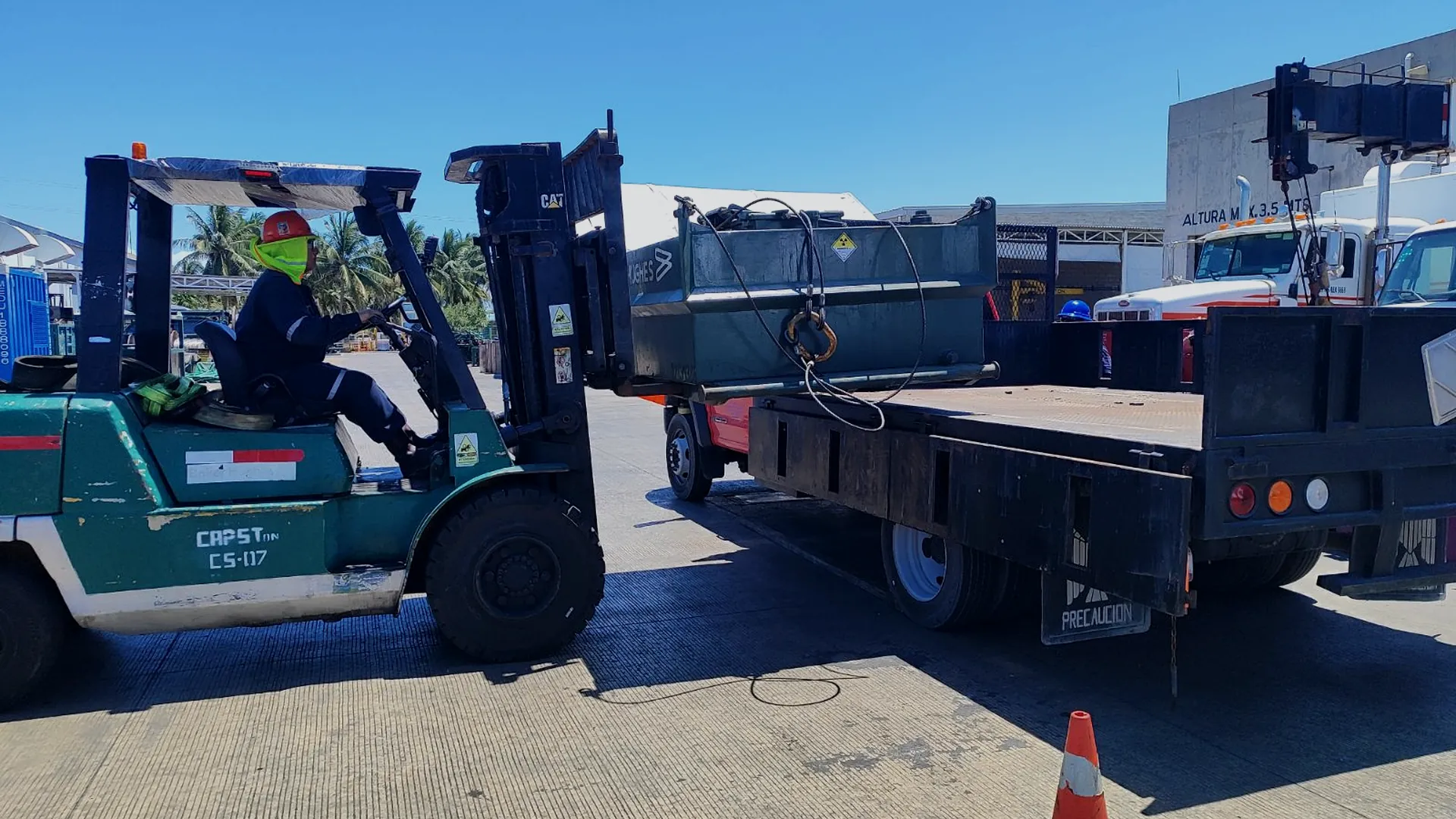
Ground Handling
Warehouse to vehicle transfer
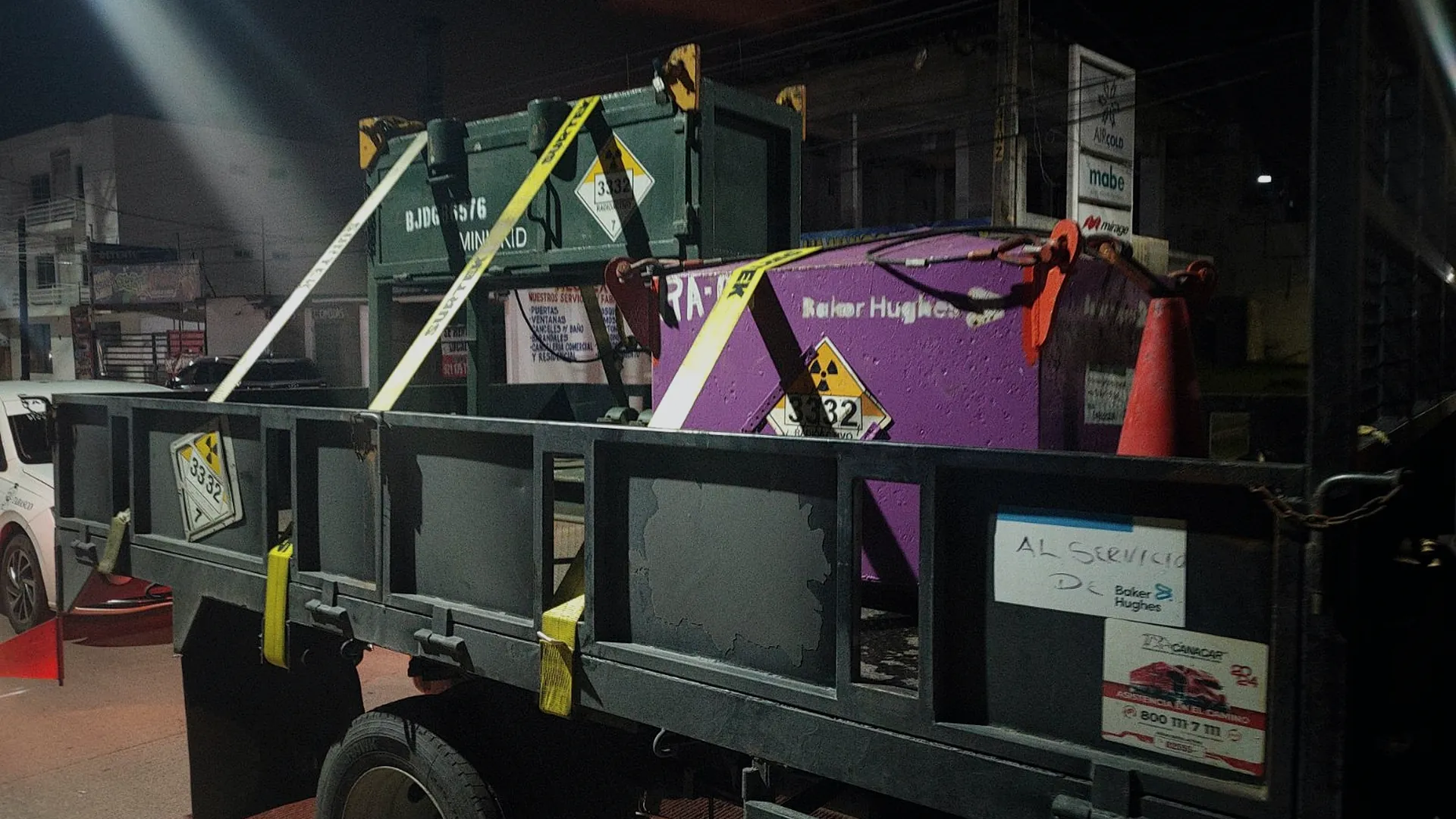
Night Operations
Controlled 24-hour transport capability
CNSNS Authorization
Prior transport permits obtained for every radioactive shipment before vehicle dispatch.
IATA DGR Class 7
Class 7 air freight — CAO and PAX aircraft compliance, TI limits, and NOTOC coordination.
Cross-Border DOT
Mexico–USA radioactive cargo under DOT 49 CFR with bilingual documentation and customs coordination.
IMDG Code Class 7
Ocean shipments with full stowage, segregation, manifest preparation, and port documentation.
Radiation Monitoring
& Operational Verification
Every radioactive material operation we execute is preceded and concluded by formal radiation surveys using calibrated field instruments. Packages do not move without verified measurement data on file.
Survey instruments, dose rate meters, and contamination monitors are deployed at loading, unloading, vehicle clearance, and storage area verification stages — not as a formality, but as an operational standard.
Pre-Transport Survey
Package surface dose rate and contamination measurement before every shipment departure.
Vehicle Clearance
Post-delivery radiation survey to confirm vehicle decontamination before return to service.
Personnel Dosimetry
Field personnel wear dosimeters with dose records maintained under CNSNS requirements.
Area Monitoring
Ambient dose rate verification during loading, unloading, and storage operations.

Geiger-Müller dose rate meter — surface and ambient measurements before shipment departure

Personal and area dosimetry instruments — personnel radiation protection and exposure records
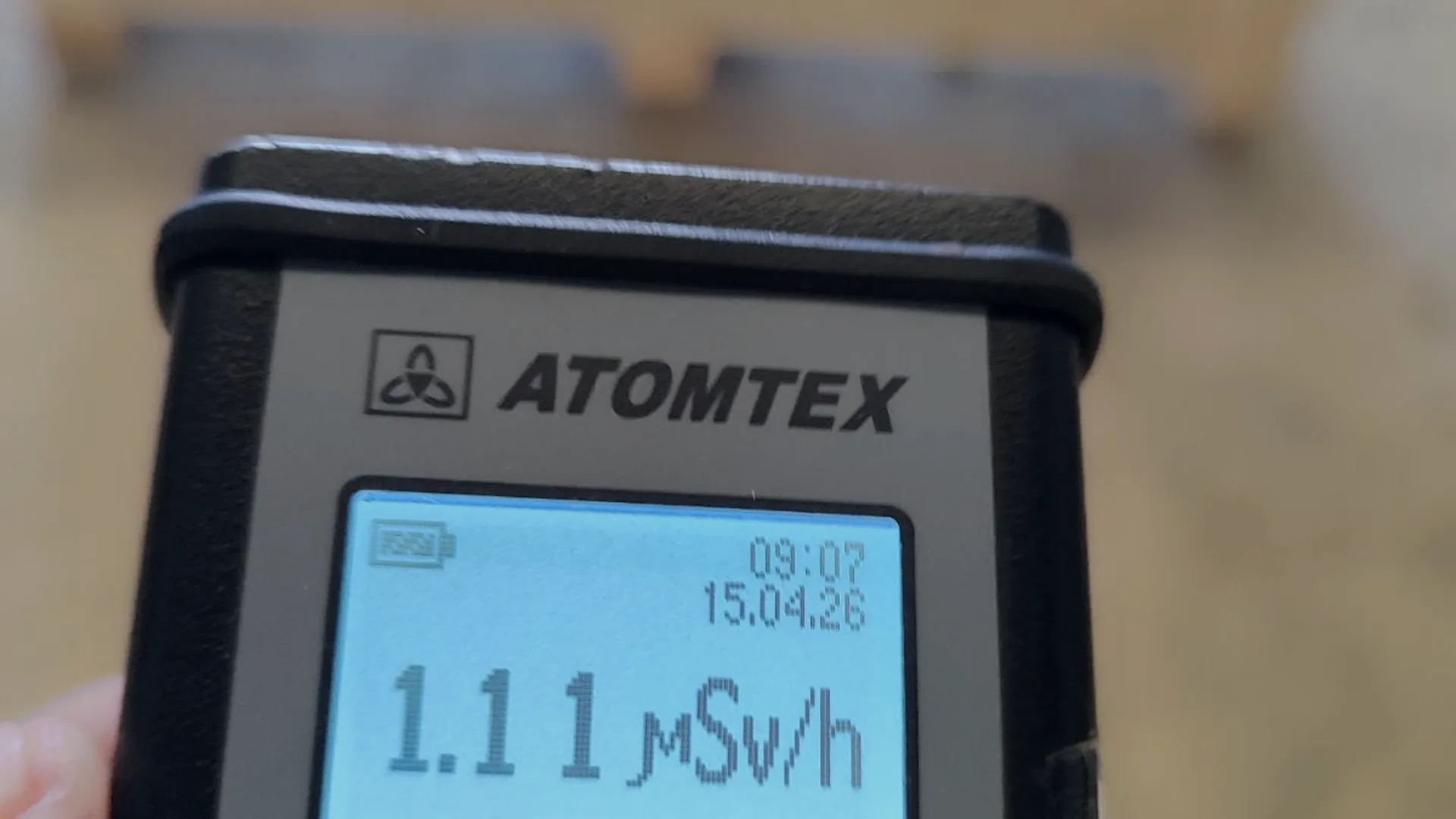
Surface contamination verification — vehicle clearance and post-operation package inspection
Applicable Regulations
Radioactive material transport is the most heavily regulated cargo category in international logistics. Every shipment is pre-validated against the full applicable regulatory stack before a single package moves.
IAEA SSR-6
Safe Transport of Radioactive Material
The international benchmark standard for radioactive material classification, packaging, labelling, and transport authorization, adopted by all major transport regulators worldwide.
IATA DGR Class 7
Radioactive Material Air Transport
Governs air transport of radioactive materials including package approvals, operator requirements, TI limits, CAO/PAX restrictions, NOTOC, and shipper certification.
IMDG Code Cl. 7
Maritime Radioactive Cargo
Regulations for ocean shipment of radioactive materials covering stowage, segregation, quantity limits, documentation, and emergency response procedures.
NOM-002-SCT
Mexican Land Transport Standard
SCT regulation governing road transport of hazardous materials within Mexico, including radioactive cargo vehicle requirements, routes, placarding, and documentation.
CNSNS
Comisión Nacional de Seguridad Nuclear
Mexico's nuclear safety regulatory authority. All radioactive material transport, handling, and storage operations require prior CNSNS authorization and post-operation reporting.
DOT 49 CFR
US Department of Transportation
Applicable to cross-border Mexico–USA radioactive shipments. Imposes additional requirements beyond IATA DGR for certain materials, quantities, and carrier types.
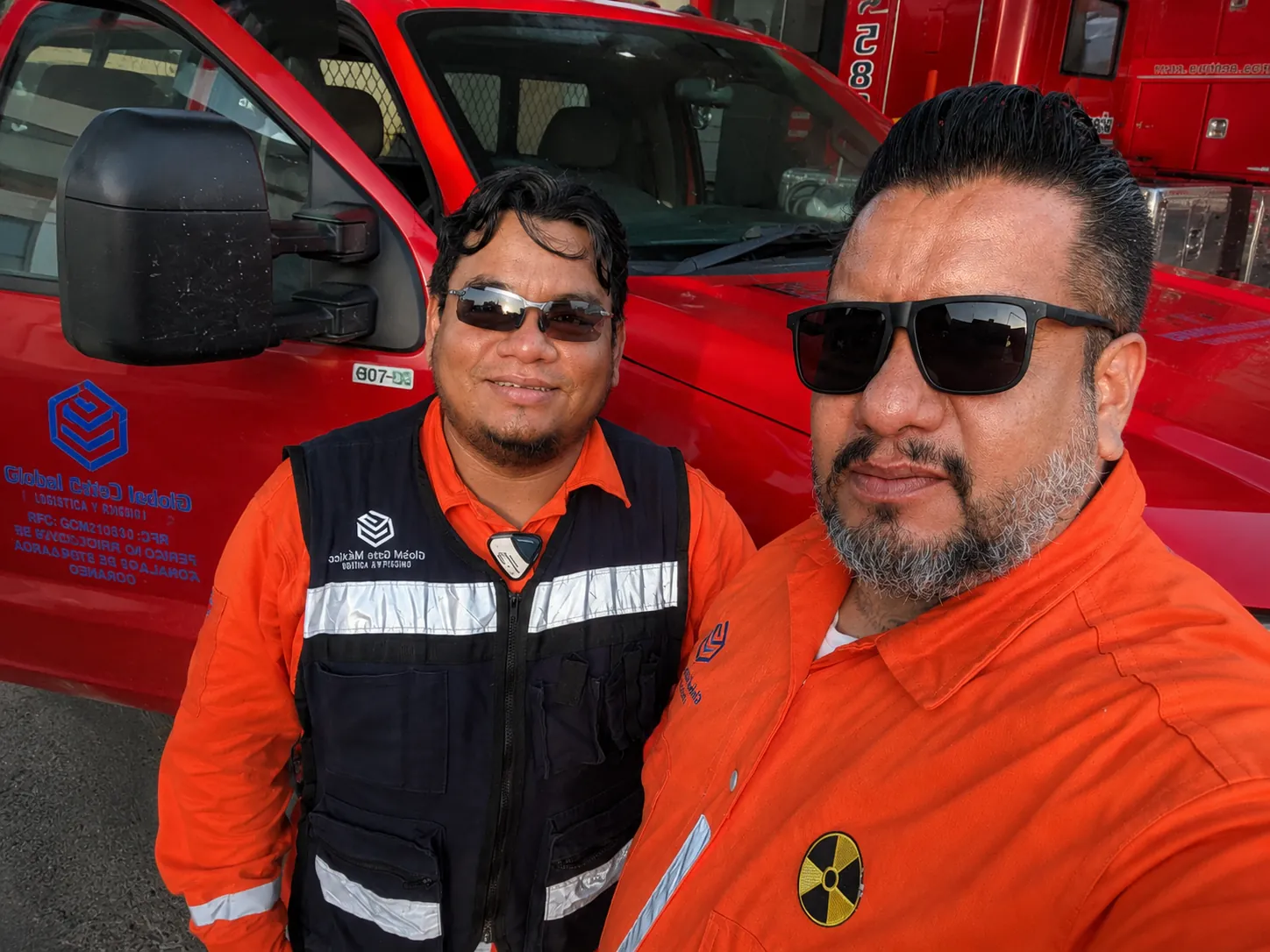
The Operation Is Only
As Good As the
People Running It.
Every field operative handling Class 7 cargo holds active CNSNS authorization and IATA-recognized training. Dosimetry records are maintained. Emergency procedures are drilled. No exceptions.
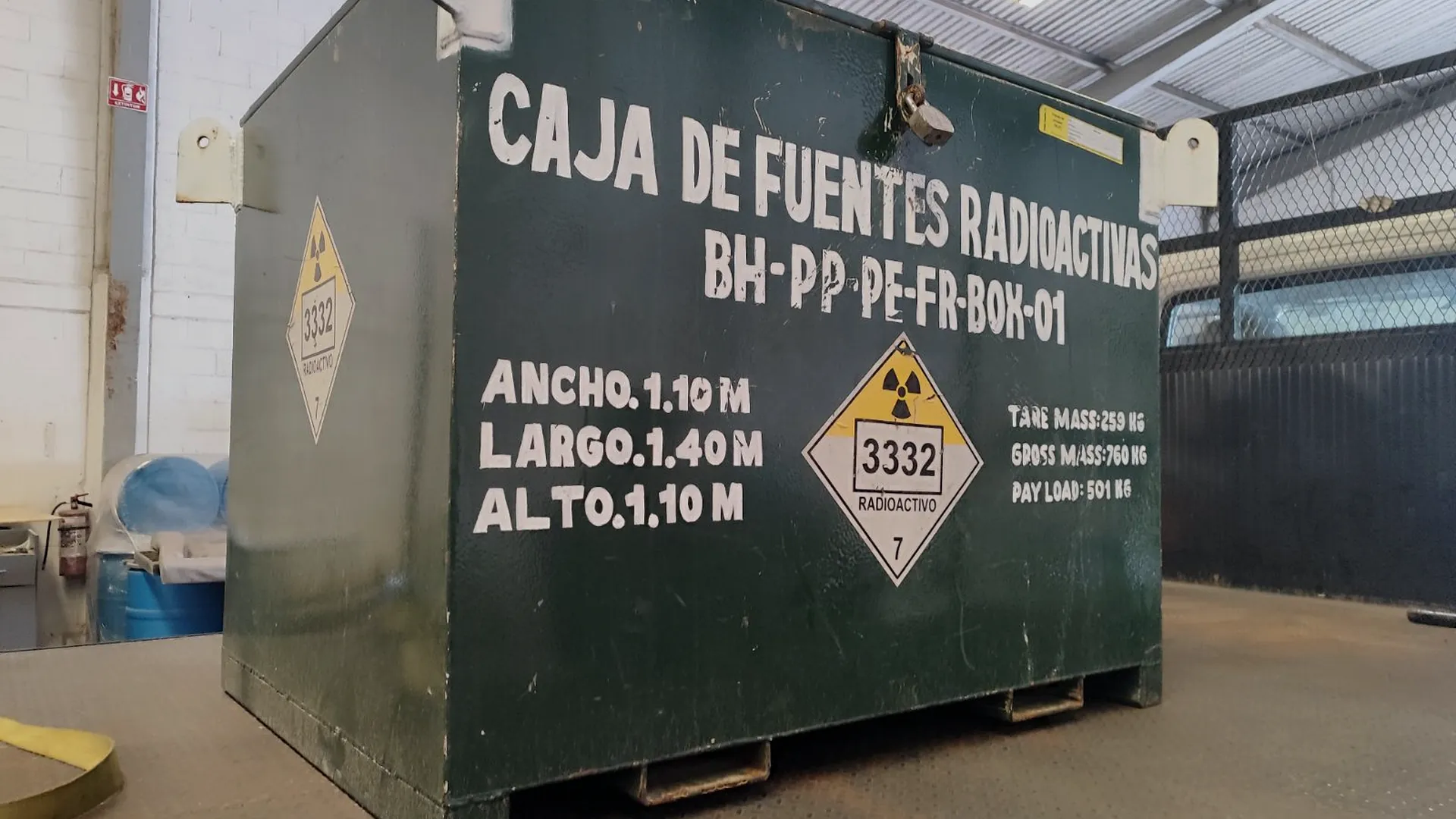
Need Specialized Support for
Radioactive Material Transport?
Our Class 7 specialists will evaluate your shipment requirements, confirm applicable regulatory obligations, and provide a detailed operational proposal.